|
|
|
CDPH Collaborative Report on Antipsychotic Use in California |
|
by Tim Gieseke, MD, CMD
On May 31, the California Department of Public Health released the above study. This report follows the Department of Health and Human Services Office of Inspector General (OIG) May 2011 report on Medicare Atypical Antipsychotic Drug Claims for Elderly Nursing Home Residents. In that report, potentially inappropriate use of antipsychotics was defined as off-label use (FDA approval only for Schizophrenia and Bipolar Disorder) or use despite a black box warning (e.g. Not indicated for Dementia). Their review of prescribing from January 1 through June 30, 2007 found:
|
|
Read more...
|
|
|
CALTCM Member Profile - Kamal Kejriwal M.D. FAAFP, CMD |

Kamal Kejriwal M.D. FAAFP, CMD
Geriatric Fellowship Associate Program Director at Kaiser Permanente, Fontana, CA
Please provide a brief background of your training and practice setting and years in practice.
I completed my Geriatric Fellowship from the University of Hawaii, Honolulu after completing my Family Practice residency from Arrowhead Regional Medical Center, Colton, CA. I am Board certified in Family Medicine. I have CAQ in Geriatric and Palliative Medicine. I am a certified medical director for last 8 years. This year I was also nominated as American Geriatrics Society Fellow for 2013. I am a SCPMG Geriatrician practicing for the last 10 years.
|
|
Read more...
|
|
CALTCM Member Profile: James Mittelberger, MD, MPH, CMD |
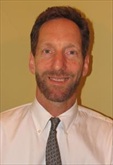
Please provide a brief background of your training and practice setting and years in practice.
I have had a practice in Internal Medicine, Geriatrics and Hospice, and Palliative Care for over 25 years. For over 20 years my clinical practice encompassed hospital work, clinic, nursing home and home settings. In addition to clinical training, I completed an MPH in quality improvement, a fellowship in ethics, a fellowship in healthcare leadership and I completed my Certified Medical Director (CMD) training. For the past 5 years I have worked with United Healthcare and Optum as a regional medical director for Medicare programs and national medical director for Hospice and Palliative Care.
|
|
Read more...
|
|
CALTCM Pulse: Education Committee |
|
by Mira Cantrell, MD
First of all, I would like to thank all two hundred CALTCM members who took time out of their busy schedules to attend the 38th Annual CALTCM conference held May 11 and 12 at the Omni Hotel in Los Angeles. I greatly appreciate your attendance, interest, active participation and your feedback that made the conference a success and will help us plan our future conferences. It also gives me a great pleasure to thank all members of the CALTCM Education Committee and our administrative staff for their hard work, enthusiasm and resourcefulness in organizing and executing this year’s conference.
By all accounts, the conference was very successful. The attendees appreciated the presentation of the most up-to-date topics, the format and the pace of the conference, and, most importantly, they told us that the topics had great relevance for their daily practice. The poster session was received with great interest as well and it was a wonderful forum for the exchange of thoughts and ideas.
|
|
Read more...
|
|
Power struggles: Many problems and some solutions related to power wheelchairs in LTC |
|
by Rebecca Ferrini, MD
Power wheelchairs are increasingly being requested and used by long term care facility residents. Residents often enter the facility with a power chair or scooter and hope to continue to use this vehicle while in the facility These chairs offer increased mobility and autonomy, but bring potential problems of fires, accidents, storage, repairs, and elopements, posing risk to the user, the other residents and the facility as a whole. Some facilities choose to prohibit power chairs, but for residents with extremely limited mobility and intact cognition (such as a young quadriplegic) this practice severely impairs quality of life and functional status. Others have implemented mandatory safety checks, individualized driving assessments, patient agreements and other policies to promote safety, One way to manage the chairs is to assure that residents and staff understand that the storage and use of the chair in the facility is a privilege, not a right, and that this privilege will be revoked if there are significant safety risks. Requiring a physician order (obtained only after the mechanical safety check and the driving assessment) is one way to assure safe operation. Driving assessments can be done with observation (skilled therapy or registered nurses can conduct this) and/or with a computerized wheelchair simulation program (e.g. wheels…) and should be repeated periodically and with any adverse wheelchair event. Problems can arise with power wheelchairs—such as use of the chair to leave the facility and purchase contraband for oneself or others, getting “stuck” in the community and needing help getting back, broken chairs, operating chairs too fast for conditions and how to “take away “ a chair from a resident with advancing dementia. Educating staff about their responsibilities to promote safety is important—for instance, staff should not place residents with delirium, sedation or intoxication in the chairs and should assure that those who operate t a motor vehicle while taking sedating medications are monitored and counseled on the risks. The facility can exert “control” over the situation through establishment of rules for operation and storage and enforcing them. We have developed a toolkit to help facilities think about the use of power chairs and better manage the risk associated with these chairs. This tool kit includes:
|
|
Read more...
|
|
|
|
|
<< first < Prev 71 72 73 74 75 76 77 78 Next > last >>
|
|
Page 73 of 78 |