|
|
|
CALTCM Member Profile: Janice Marie S. Diez, MSN, BSN, RN, CNL, CWCA, DON-CLTC |
|
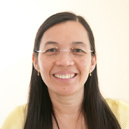 Please provide a brief background of your training and practice setting and years in practice. Please provide a brief background of your training and practice setting and years in practice.
I have been in healthcare profession for 21 years and the last 5 years was in the nursing profession. I earned my Doctor of Optometry in the Philippines, practiced for 16 years as a clinician and as Dean of Optometry in Cebu Doctors' University. I had my BSN in 2006 and started my nursing career in long-term care in 2007. Pursuing graduate studies in University of San Francisco as CNL (Clinic Nurse Leader) came as a natural interest and I'm currently contemplating applying to a PhD program in Geriatrics in 2013. After a year of being a charge nurse, I became a Director of Nursing, which I am still doing, and recently moved to Central Valley and joined Covenant Care family. I am a certified wound care associate and ongoing with my nursing rehabilitation certification.
|
|
Read more...
|
|
|
Farewell (and Hello!) from Dr. Osterweil |
|
Dan Osterweil, MD, FACP, CMD | CALTCM President
As we count down to our annual meeting, I want to take a moment to thank you for the opportunity to serve as the Association’s president. The last three years were marked by exciting opportunities and challenges for everyone in long term care. Despite the looming budget cuts, we have all joined together to find ways to improve how we deliver care. CALTCM has taken a leadership role in pushing a new concept- Performance Improvement Education (PIE) in lieu of the traditional CME. What defines PIE is a desire to improve performance by implementing appropriate care processes and quality improvement methods.
|
|
Read more...
|
|
CDPH and ASCP phone conference for consultant pharmacists report |
|
Flora Brahmbhatt, PharmD, CGP
On January 23, 2012, the pharmacist with the CDPH and the CA chapter of ASCP hosted a phone conference for consultant pharmacists. CDPH outlined specific expectations of the consultant pharmacist. Specifically, the role the consultant should take during the survey process. Per CDPH consultant pharmacists should visit the facility, introduce themselves to the surveyors and leave contact information to facilitate an open line of communication.
|
|
Read more...
|
|
CALTCM Ventures Deep into the Heart of Texas |
|
Karl Steinberg, MD, CMD, Immediate Past President, CALTCM
Almost 100 Californians were registered at the March 7-11 AMDA annual meeting in San Antonio, entitled “A Mission from the Heart,” and our CALTCM members as usual distinguished themselves among the crowd of over 1600 attendees from the U.S., Canada and overseas. Many Californians presented lectures, including our own Rebecca Ferrini (AMDA’s Medical Director of the Year for 2009) and Rob Gibson, both from Edgemoor in Santee. I had the opportunity to address the Saturday general session on behalf of AMDA’s Public Policy Committee, on some of the top LTC policy issues over the past year. I did not wet my pants in front of the huge crowd, thankfully.
|
|
Read more...
|
|
Can This Resident Make Decisions? |
|
Rebecca Ferrini, MD, CMD
Mr. Doe has been in your facility for 3 months, but recently suffered a minor stroke. He is a long-term homeless alcoholic with no known family or friends, and he has also just been diagnosed with diabetes and you need informed consent for treatment. He states that he is fine, doesn't think he has diabetes, and that he wants to go out to get a drink. He says he'll be back before dark.
|
|
Read more...
|
|
|
|
|
<< first < Prev 71 72 73 74 75 76 77 78 Next > last >>
|
|
Page 75 of 78 |